
Frequently asked questions
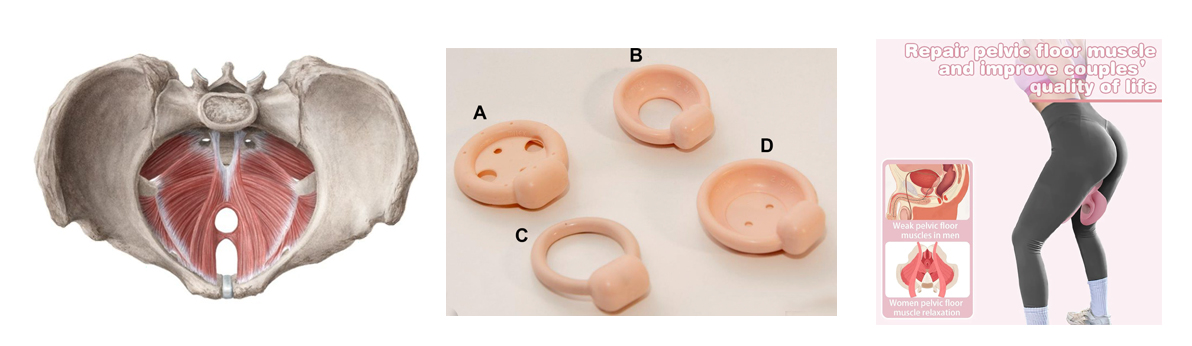
What is the pelvic floor?
The pelvic floor is composed of muscles and ligaments that form a sling across the opening of the pelvis. Muscles and ligaments work together in women to support pelvic organs such as the vagina, uterus, bladder and bowel. Pelvic floor disorders are caused by weakening support of the muscles, ligaments and connective tissue in the pelvic area.
How prevalent are pelvic floor disorders?
Up to 75% of women will experience urinary incontinence in their lifetime and one in three women who had vaginal birth would experience some degree of prolapse and stress urinary incontinence. According to Dr Raheela's research in rural Pakistan, 13 percent of women suffer from some degree of prolapse and around 12 percent experience urinary incontinence, which is as high as in any western country. Women here are shy to share about flatus and faecal incontinence but this is also quite prevalent.
What is female pelvic medicine & reconstructive surgery?
Female pelvic medicine and reconstructive surgery physicians provide women with care and comprehensive management for pelvic floor disorders, lower urinary tract disorders, pelvic organ prolapse and childbirth-related injuries. This specialty is also called urogynecology or female urology. Urogynecology is a combination of two specialties – Female urology and gynaecology. Urogynecologists specialize in both the urinary system and the female reproductive system. Urogynecology is a subspecialty of obstetrics and gynaecology, and is the study and treatment of female pelvic medicine.
What is pelvic organ prolapse?
Due to weakness of Vaginal support at various levels patient feels or see “something coming out of vagina”. This may be a cystocele i.e descent of your bladder or a rectocele i.e descent of your rectum or bowels however term “Procedentia” is used when your uterus has fallen out of vagina.
Does prolapse treatment means removal of uterus?
No, Urogynecologist identifies the site-specific defects and makes surgical correction accordingly keeping in mind patient life style, future fertility and wish to conserve uterus.
Is Urinary leakage normal after menopause?
Not at all. Urinary leak at all ages is curable since bladder ageing begins after 70 years of age.
When should I contact a doctor?
If you feel a bulge, lump or something coming out of vagina. Vaginal discharge after menopause. If you experience lower back pain or increased pelvic pressure that has an impact on your daily activities. If you notice vaginal spotting or bleeding that is irregular in nature. If any of these symptoms lasting for more than a month. Urinary incontinence, urinary tract infections, difficulty urinating, frequent urination, constipation or use of finger to empty bowels. If sexual intercourse is painful or difficult/laxity. Failure of consummation of marriage. Urinary and sexual symptoms due to intersexuality.
How will I be evaluated?
Your doctor will develop a health history to get a detailed explanation of your symptoms. In order to diagnose pelvic organ prolapse, a pelvic exam is needed. If diagnosed, the urogynecologist will pinpoint the organs involved in the prolapse, as well as its severity. Other tests might be ordered depending on your examination.
Where can I go to find out more information or get treatment?
Please go through consultation schedule.
What do I need to bring to my first visit?
Before menopause no lab reports are required but if you are post menopausal then to save time please get your Urine D/R ,UCS S-creatinine TSH HbA1C. Please come with a comfortable full bladder as this is essential for clinical examination. Drink water according to your thirst /weather requirement.